
Author: Stelios Katsantonis, Risk Assurance & Digital Trust Director
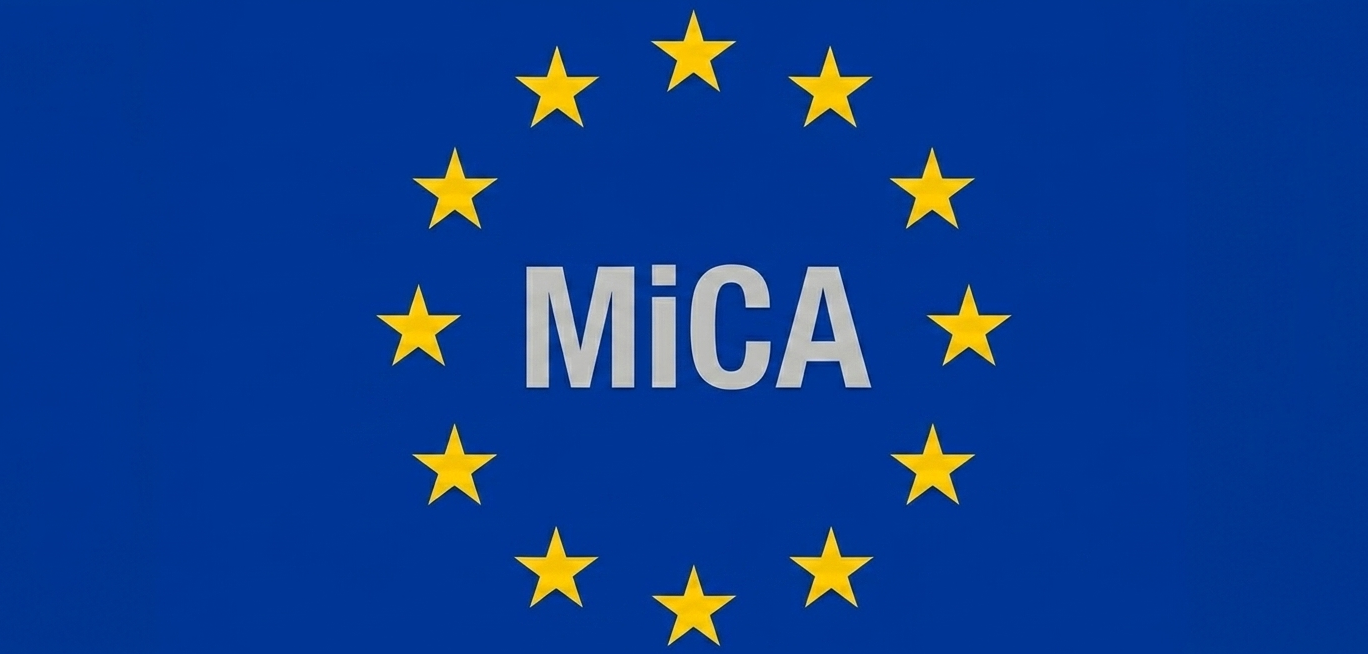
The EU’s Markets in Crypto‑Assets Regulation (MiCA) is reshaping the digital‑asset landscape by introducing a unified regulatory framework for crypto‑asset service providers (CASPs). While often discussed in the context of licensing, transparency, and consumer protection, MiCA also carries significant implications for information security and cybersecurity. In fact, it elevates cybersecurity from a best‑practice recommendation to a legal obligation for any organization operating in the EU crypto market.
MiCA requires CASPs to demonstrate strong governance, operational resilience, and secure ICT systems as part of their authorization process. This includes protecting customer data, ensuring the integrity of transactions, and maintaining secure environments for wallet infrastructure and private‑key management. These requirements align closely with established cybersecurity frameworks and reflect the EU’s broader push to strengthen digital trust.
The regulation also introduces mandatory reporting for major ICT‑related incidents, such as cyberattacks, data breaches, or system failures. This compels CASPs to adopt mature incident‑response capabilities, continuous monitoring, and forensic readiness. Additionally, MiCA’s emphasis on preventing market abuse and ensuring data integrity reinforces the need for secure logging, tamper‑proof audit trails, and robust access‑control mechanisms.
For organizations in jurisdictions like Cyprus, MiCA applies directly and demands a high level of operational and security maturity. CASPs must implement risk‑management frameworks, internal controls, and resilient ICT processes that can withstand cyber threats and operational disruptions. In practice, MiCA pushes crypto businesses to operate with the same level of security and accountability expected of traditional financial institutions.
At the same time, MiCA does not exist in isolation. It is closely aligned with the EU’s Digital Operational Resilience Act (DORA), which applies to financial entities and focuses specifically on ICT risk, cybersecurity, and operational resilience. Many CASPs will fall under both MiCA and DORA, meaning they must meet harmonized expectations around ICT governance, incident reporting, third‑party risk management, and digital‑resilience testing. Together, MiCA and DORA create a comprehensive regulatory environment where cybersecurity is central to both compliance and operational success.
The approaching end of MiCA’s transitional period
ESMA has recently emphasized that the MiCA transitional period ends on 1 July 2026. From that date, any crypto‑asset service provider offering services to EU clients must be fully authorized under MiCA. Providers that fail to obtain authorization in time will be required to cease operations.
ESMA’s statement highlights several expectations:
- Unauthorized providers must prepare wind‑down plans, ensure an orderly exit, and communicate clearly with clients, including arrangements for transferring crypto‑assets.
- Authorized providers must actively manage the migration of existing clients, ensuring compliant onboarding and adherence to AML/CFT standards.
- Investors are reminded that EU protections do not apply when using unauthorized providers, and ESMA encourages verification through its official register.
These points reinforce the urgency for CASPs to not only meet MiCA’s cybersecurity and governance requirements but to do so well before the transitional period ends. Operational resilience, secure ICT systems, and strong client‑protection mechanisms are now essential for maintaining market presence in the EU.
How geevo® can help
geevo® can help organizations meet MiCA’s cybersecurity and governance requirements by strengthening their ICT environments, improving operational resilience, and building compliant risk‑management frameworks. Through tailored assessments, policy development, and security‑focused advisory services, geevo® can assist CASPs to align their technical and organizational controls with MiCA, supporting both regulatory compliance and long‑term digital trust.
For more information and support, please contact support@geevo.eu.



Comments are closed